
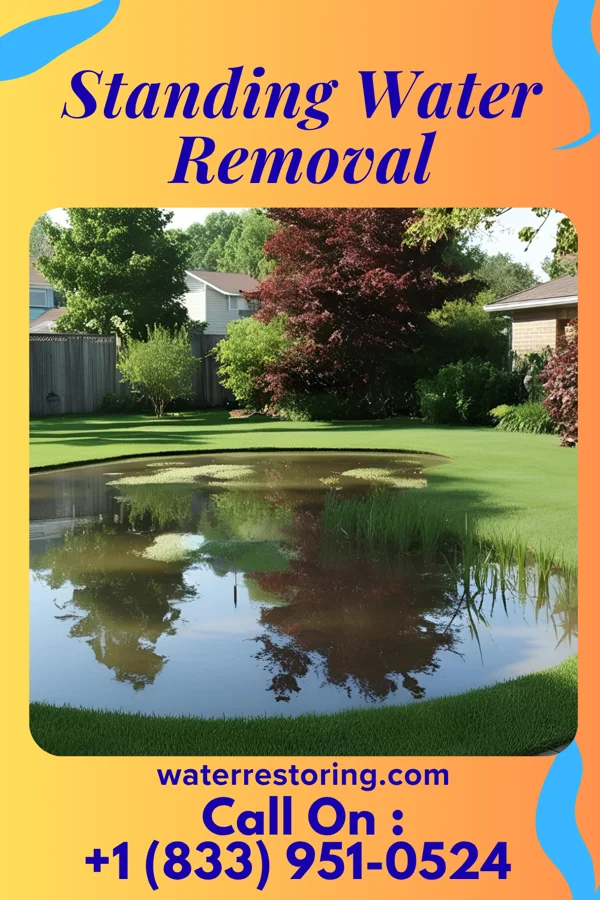
Why Klondike Corner Sees Standing Water Often
The pattern in Klondike Corner is consistent. In Klondike Corner, New Hampshire, the primary water damage cause is often due to seasonal flooding from nearby rivers and streams, especially during spring thaw or heavy rainfall events. Additionally, seepage from underground springs can lead to persistent moisture issues in basements and crawl spaces. drives most of the emergency restoration calls we get. A close second is Secondary causes include plumbing leaks from aging infrastructure, roof leaks during harsh winter storms, and malfunctioning sump pumps. These issues are common in rural areas where maintenance of older systems is less frequent..
Klondike Corner experiences a humid continental climate with cold winters and warm, wet summers, increasing the risk of water damage from both freezing temperatures and heavy precipitation. This climate pattern contributes to frequent mold growth if water is not properly managed.
Klondike Corner experiences a humid continental climate with cold winters and warm, wet summers, increasing the risk of water damage from both freezing temperatures and heavy precipitation. This climate pattern contributes to frequent mold growth if water is not properly managed. The dominant local driver is In Klondike Corner, New Hampshire, the primary water damage cause is often due to seasonal flooding from nearby rivers and streams, especially during spring thaw or heavy rainfall events. Additionally, seepage from underground springs can lead to persistent moisture issues in basements and crawl spaces., with Secondary causes include plumbing leaks from aging infrastructure, roof leaks during harsh winter storms, and malfunctioning sump pumps. These issues are common in rural areas where maintenance of older systems is less frequent. showing up as the next most common cause. Damage builds in stages. Spread. Absorption. Microbial growth. Structural compromise. Every stage you pass through adds to the final bill.